
Strategic Direction 2: Development of Science and Internationalisation Tasks in the field of scientific activity, taking into account the SDGs:
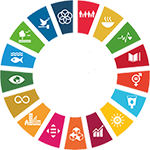
1. Increasing the university's contribution to scientific research aimed at solving pressing environmental, agricultural and technological problems in the region and the country
SDG 9: Industry, innovation and infrastructure; SDG 13: Climate action
2. Expanding the range of scientific projects carried out under grants and orders from state and private structures, with an emphasis on applied research and commercialisation
SDG 8: Decent work and economic growth; SDG 17: Partnerships for sustainable development
3. Support for young scientists and researchers, involvement of students in research and scientific start-ups
SDG 4: Quality education; SDG 5: Gender equality
4. Strengthening the university's research infrastructure, including the development of laboratories, research centres and digital platforms
SDG 9: Industry, innovation and infrastructure
5. Increasing the publication activity of teaching staff in publications indexed in international databases (Scopus, Web of Science)
SDG 4: Quality education; SDG 17: Partnerships
6. Develop academic and scientific partnerships with universities, research centres and enterprises at the national and international levels
SDG 17: Partnerships for sustainable development
7. Promoting the commercialisation of research results, including the protection of intellectual property and the creation of small innovative enterprises
SDG 8: Economic growth; SDG 9: Innovation
Objectives in the field of internationalisation of education and mobility, taking into account the SDGs:
1. Expanding the number of international partnerships with QS Top 500 universities and developing dual degree programmes
SDG 4: Quality education; SDG 17: Partnerships for sustainable development
2. Increasing the number of foreign students through outreach career guidance campaigns and participation in international exhibitions
SDG 4: Quality education; SDG 10: Reduced inequalities
3. Regular recruitment of foreign scientists on short-term and long-term contracts, including Fulbright, GoNomads, SES, and ELF programmes
SDG 4: Quality education; SDG 9: Innovation and infrastructure
4. Development of incoming and outgoing academic mobility of teaching staff and students, including expansion of funding through international grants (Erasmus+, Horizon, UniCEN, etc.)
SDG 4: Quality education; SDG 8: Decent work and economic growth
5. Organisation of international summer camps, internships and volunteer programmes (including archaeological and educational programmes)
SDG 4: Quality education; SDG 11: Sustainable cities and communities
6. Development of a language training system for students and teachers to increase academic mobility and successful integration into an English-speaking educational environment
SDG 4: Quality education; SDG 5: Gender equality (in terms of accessibility for all)
7. Participation in international rankings, accreditations and organisations to enhance the university's reputation and recognition of diplomas
SDG 4: Quality education; SDG 16: Strong institutions
8. Ensuring a sustainable contribution of international activities to the university's economic model (through tuition fees, grants, partnership projects)
SDG 8: Economic growth; SDG 17: Partnerships


