Research Visit to Poland: Exploring Kazakh Culture and National Values
 13 Oct 2026
 322
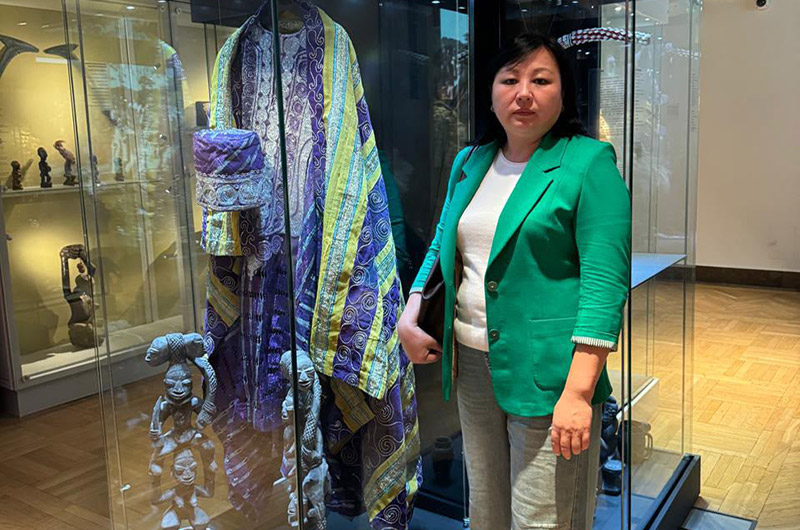
Aurika Serubayeva, PhD in History and lecturer at the Department of History and Geography of Sherkhan Murtaza International Taraz University, undertook a research visit to Warsaw, Poland, to conduct academic research and collect materials for a scientific project.
The visit was organised within the framework of a research project funded through programme-targeted financing, entitled “Investigating the Social Role of Folk Art in Shaping Contemporary National Identity: Transformation and Reconstruction of Spiritual Culture.”
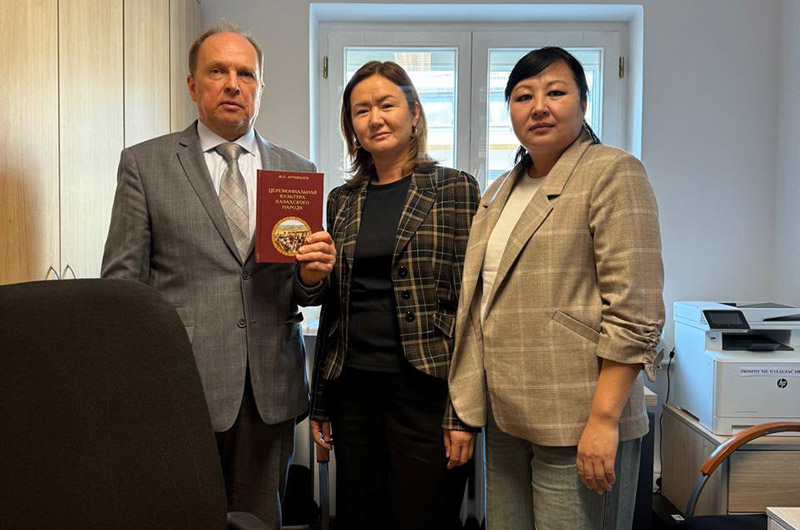
During the visit, Aurika Serubayeva met with Professor Andrzej Wierzbicki at the Department of International Relations and Political Science of the University of Warsaw. They discussed the role of folk art in shaping national identity, the preservation of national values, and the social significance of spiritual culture. At the end of the meeting, Professor Wierzbicki was presented with a copy of Ceremonial Culture of the Kazakh People, a textbook by Zhambyl Omaruly Artykbayev published as part of the research project.
Aurika Serubayeva also visited the National Museum of Ethnography in Warsaw, where she explored approaches to preserving, studying, and presenting ethnographic heritage to the public. As part of the research visit, interviews were conducted with Medard Masłowski, founder of the Mój Kazachstan Association, and members of the organisation. The discussions focused on the activities of the Kazakh community in Poland, the preservation of national cultural heritage, and the promotion of Nauryz celebrations and other Kazakh traditions.
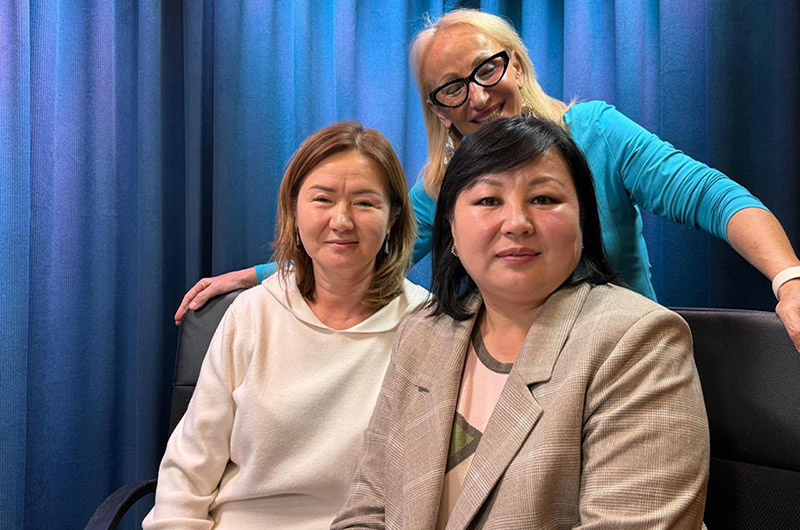
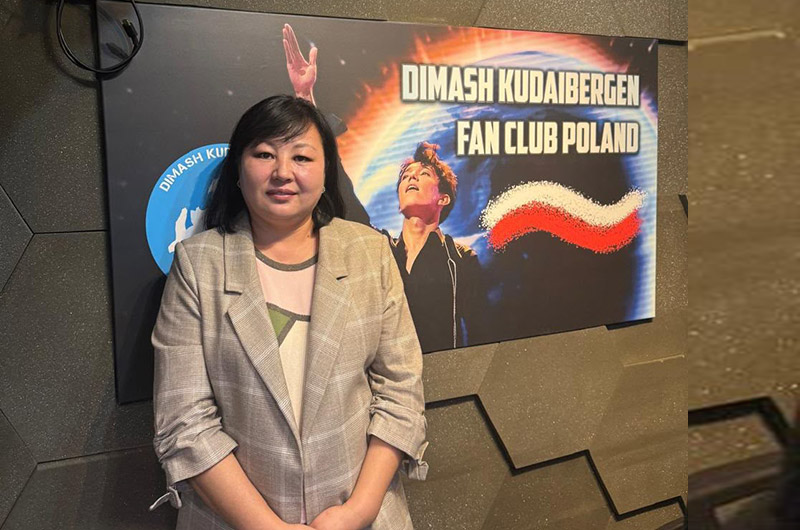
Another area of the research focused on the activities of DIMASH RADIO. Interviews were conducted with the station's founder, Zbigniew Kuziński, and Teresa Konkol, founder of Dimash Qudaibergen's fan club in Poland. These discussions explored approaches to promoting Kazakhstani art to international audiences. In addition to broadcasting works by Kazakhstani artists, the radio station shares information about Kazakhstan's cultural life, national holidays, customs, and traditions.
Meetings were also held with members of the Kazakh diaspora who have lived in Poland for many years. These discussions provided valuable insights into their migration histories, current social environments, and ways of maintaining cultural and spiritual ties with Kazakhstan.
As a result of the research visit, valuable academic materials were collected on the cultural practices of the Kazakh diaspora abroad, mechanisms for preserving national values, and approaches to promoting Kazakh culture internationally. The findings will contribute to the implementation of the research project's objectives and provide a deeper understanding of the social role of folk art in shaping national identity.